The tiny details matter. The buildup of crushed shells at low tide, sand fleas springing from their tiny burrows, ships on the horizon. Growing up in a coastal town where the ocean is but twenty feet away, you could say I spent a lot of time watching the minuscule. Rainbow spirals from boat oil, barnacles on the rocks, minnows swerving through the seagrass; the list is never-ending. What intrigued me the most during my daily trips to the bay was not the flounder scrounging on the bottom, or the colorful shells that laid just below, but rather the sand fleas jumping through the sand grains. Throughout my childhood, I always imagined what it would be like to travel the depths of the unknown in search of the microscopic. Now at the University of Miami as a student studying marine science and microbiology/immunology, I might be one step closer to fulfilling that fantasy.
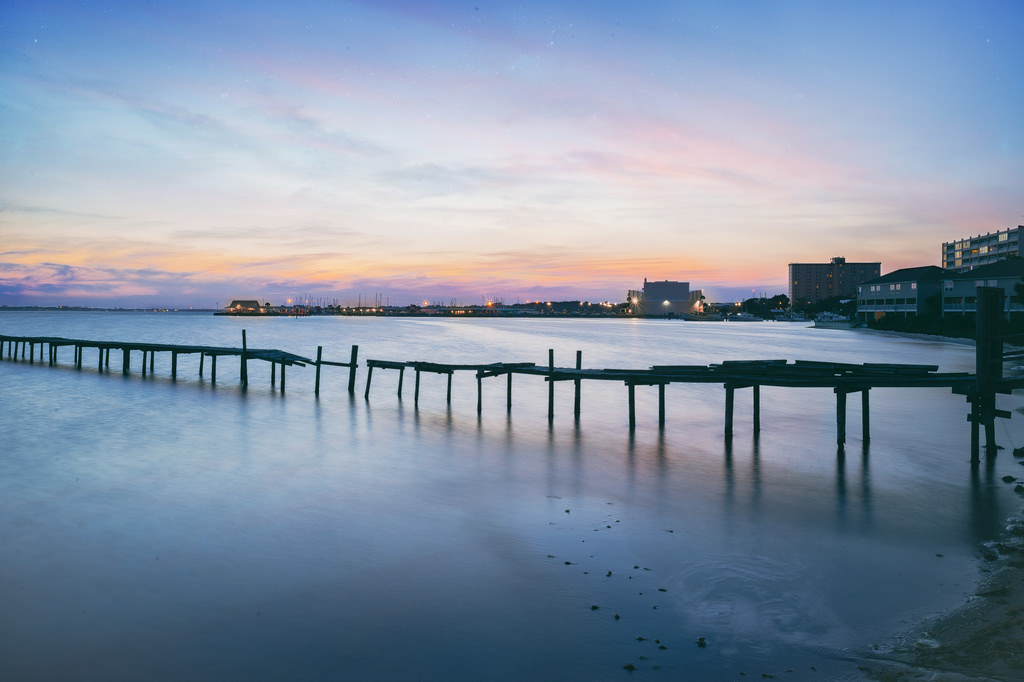
(Source: https://www.flickr.com/photos/triumphovertragedy/17254798960)
How did my childhood living on the water lead me to study pathogens and the immune system? As a child, I was a witness to the Deepwater Horizon oil spill as well as plenty of red tides, both large environmental stressors. Seeing the effect those events had on marine vertebrates and the ocean as a whole shocked me.
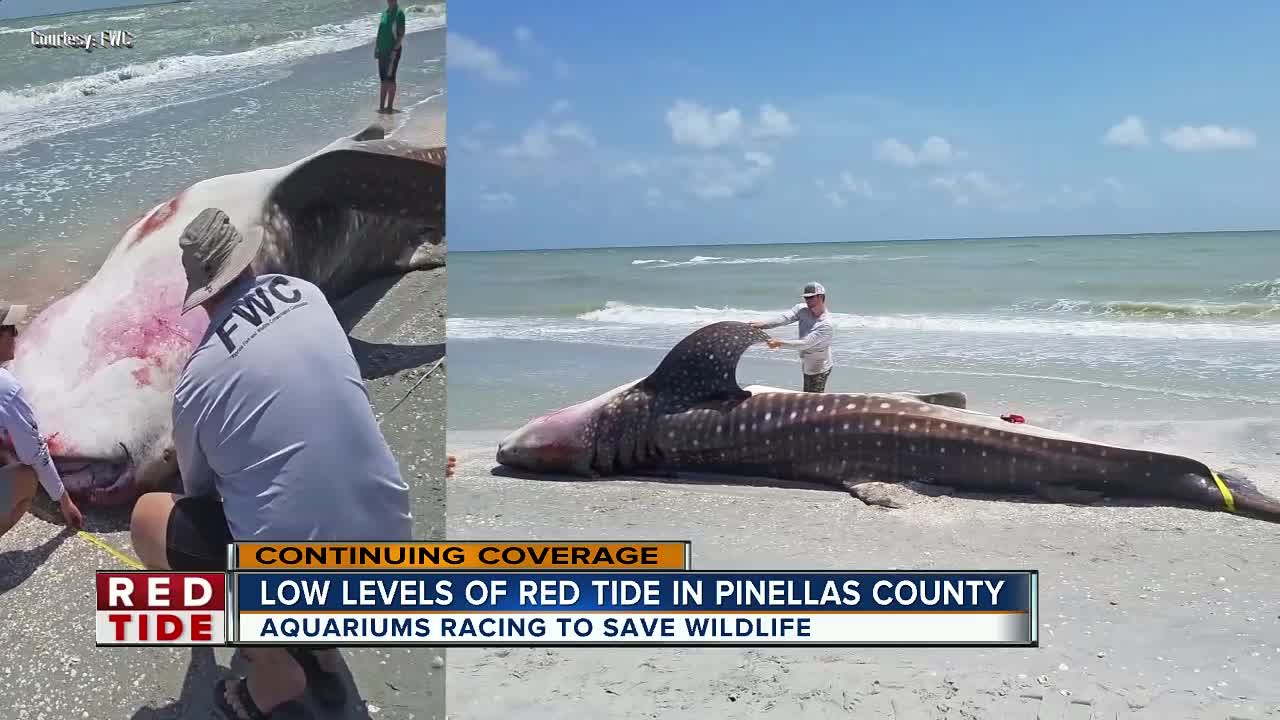
The impact is seen mostly in the immune system of marine vertebrates, and that is where immunologists/microbiologists find their work. By studying pathogens and dinoflagellates in the ocean, immunologists/microbiologists seek to understand how the microbes work and how the immune system will respond, with the goal of finding a solution. This idea is what drew me in. Never again did I want to see such desiccation of marine life wash up upon shores, particularly those who died due to red tide.
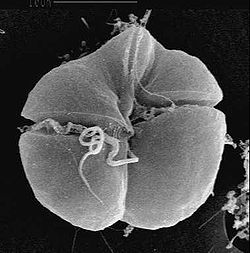
Red tide is a result of blooming Karenia brevis which occurs when conditions are no longer oligotrophic. When copious amounts of nitrogen and phosphorus are introduced into the environment, it allows for favorable conditions and thus triggers a bloom. The hidden killer, however, is the neurotoxin released from the Karenia brevis, which adversely affects marine life. Florida annually experiences red tide, resulting in mass fish death and higher marine mammal mortality due to inhalation and bioaccumulation. This past year, on a visit to my grandma’s in Sarasota, they declared a state of emergency due to the red tide. Passing by the beaches and seeing them lifeless hurt my heart. By entering the field of microbiology/immunology, I would be able to study how Karenia brevis spreads, its long-term effects on both marine and human life, and hopefully, find a solution to the situation.
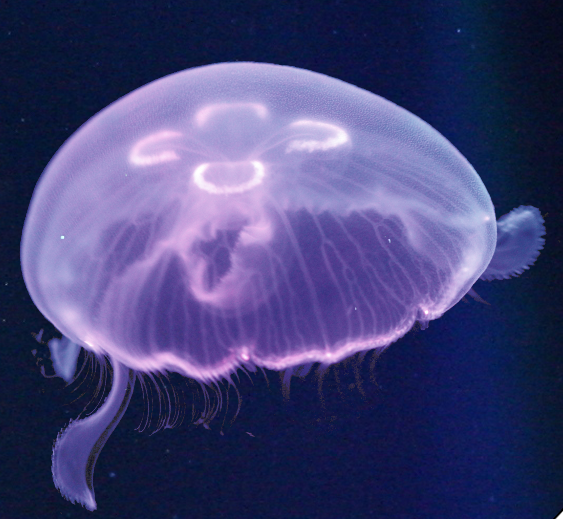
Surprisingly, by entering these scientific fields I might be able to satisfy part of my childhood dream. Every year since I was two, my grandma took me to Mote Marine Laboratory to satisfy my obsession with aquariums. Gazing in awe at the jellyfish exhibit, the rescued sea turtles, and the shark tank I wanted nothing more than to work there. After entering the Rosenstiel School of Marine and Atmospheric Science, I was put on an email list for potential internships in the marine science field and it was here that something caught my eye. An opportunity for an internship at Mote Marine Lab! There they have a marine immunology department where a study is currently being conducted on the effects of red tide toxin exposure in sea turtles. Though I did not get the internship this time around, I plan to visit over spring break for both nostalgia and a step towards my future career.
 Zoe's Exploration